Adding steps to a process using AI - and where it fails
AI can generate workflow steps, but Tallyfy engineering found it misses 50-70% of what makes a process useful. Form fields, automations, and context-specific logic still need human design.
After an attacker sent 10,000+ phishing emails through our system, we rebuilt how we think about API security. The patterns we learned: database-based rate limiting, tenant validation on every request, and why Redis alone is not enough.
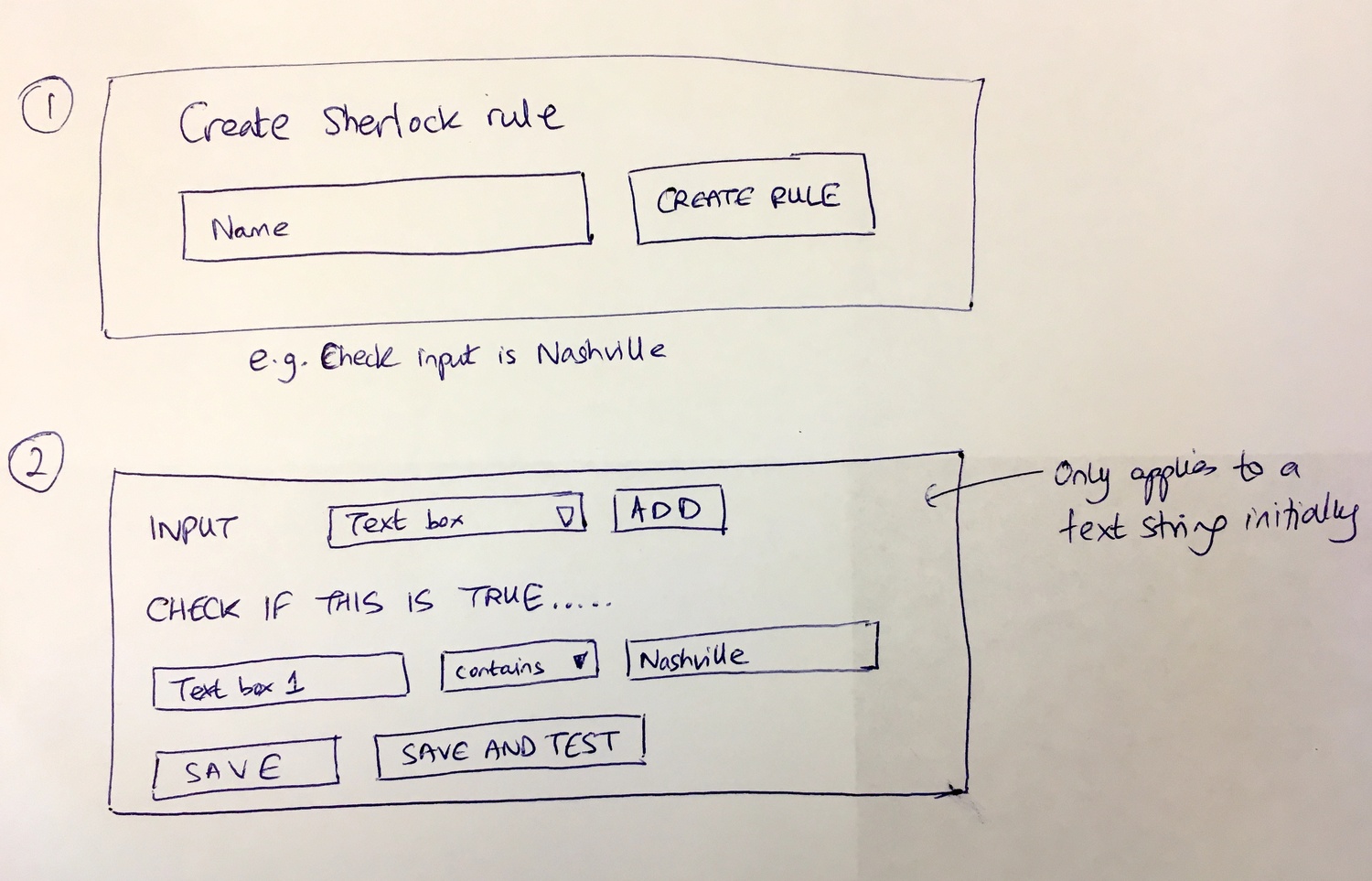
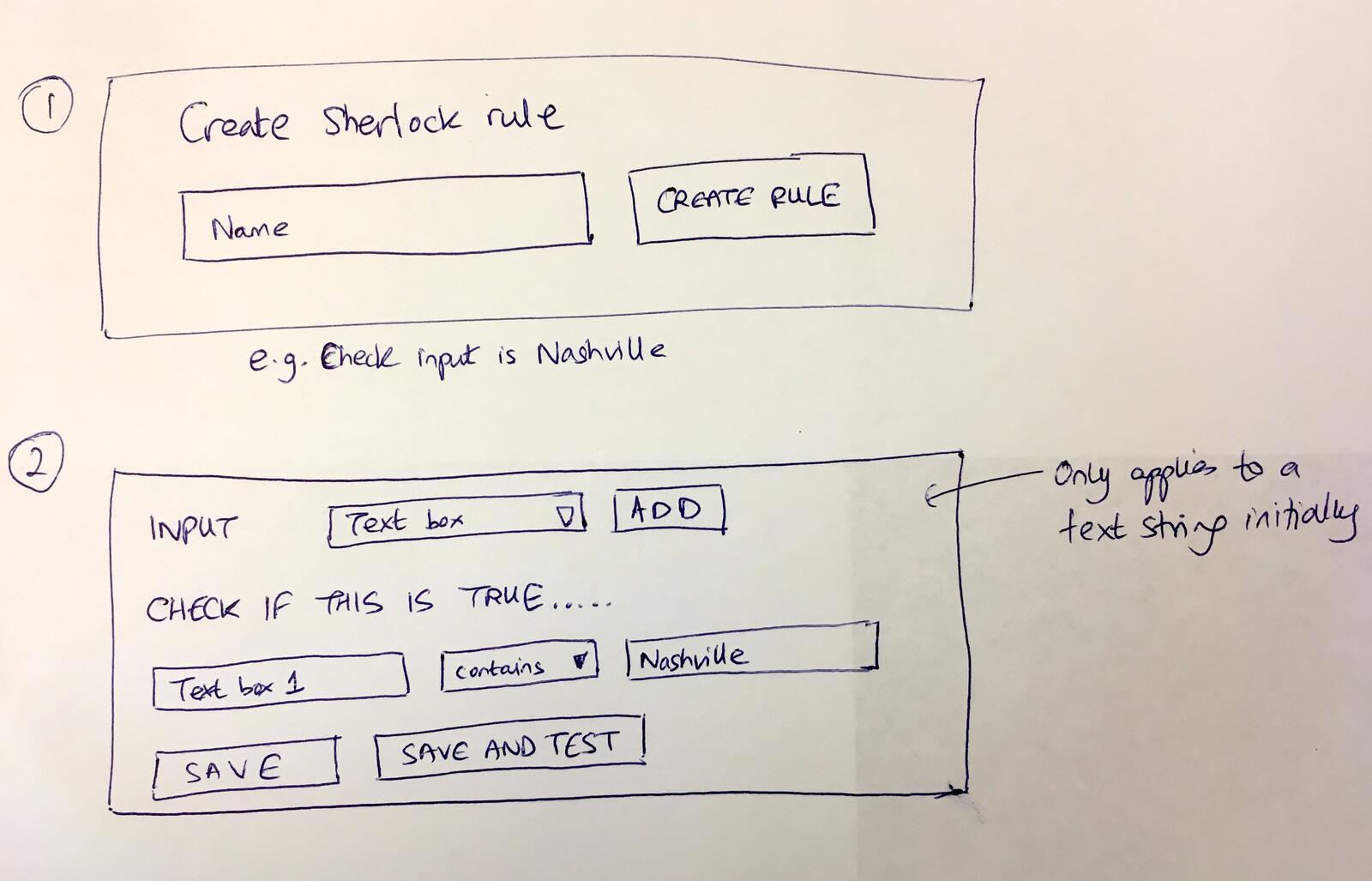
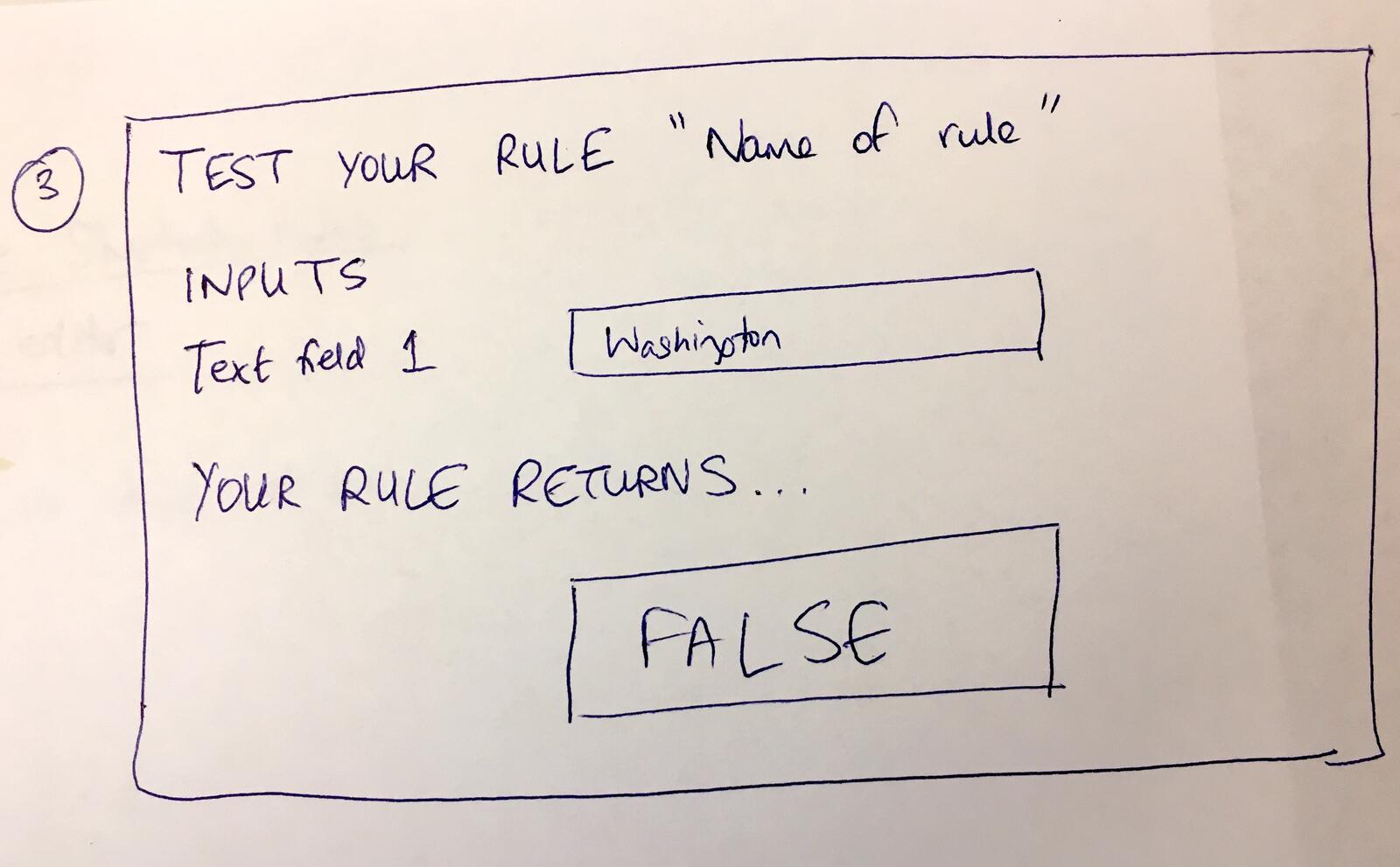
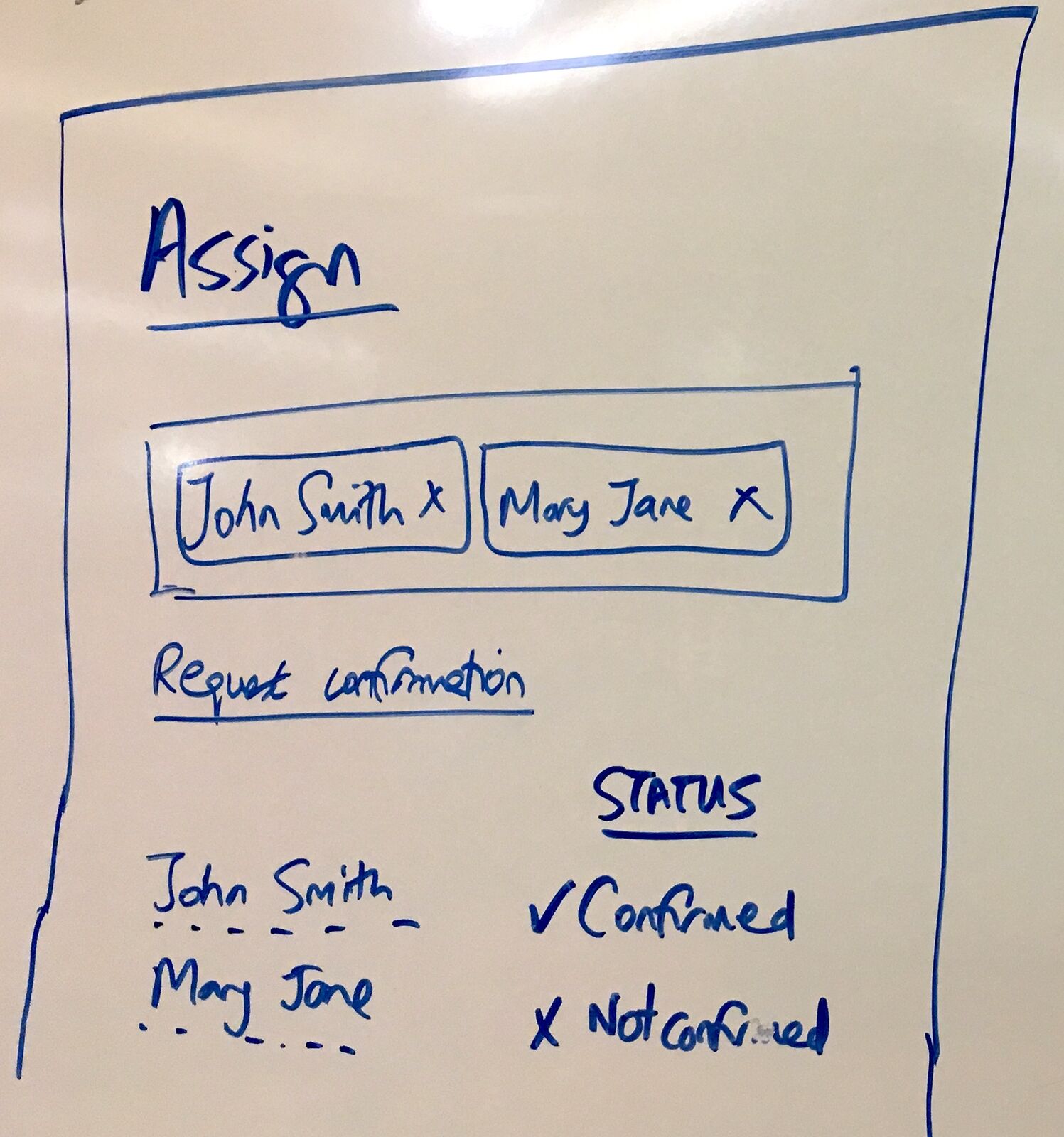
How Tallyfy built dynamic task assignment rules based on form field values from 2017 through 2019. The Nashville problem, the guest email question, and why Assign and Assign Only became two different operations.
Every workflow tool claims audit trails. Tallyfy built compliance-grade audit logging after real SOC 2 and ISO 27001 security assessments revealed what auditors actually check. One law firm doubled case capacity per attorney with proper audit trails. The gap between activity history and compliance-grade audit trails is wider than most teams expect.
When a large enterprise needed to translate English playbooks to save millions in translation costs, we built Azure AI services integration covering 838 translation keys across 7 languages. Here is what we learned.
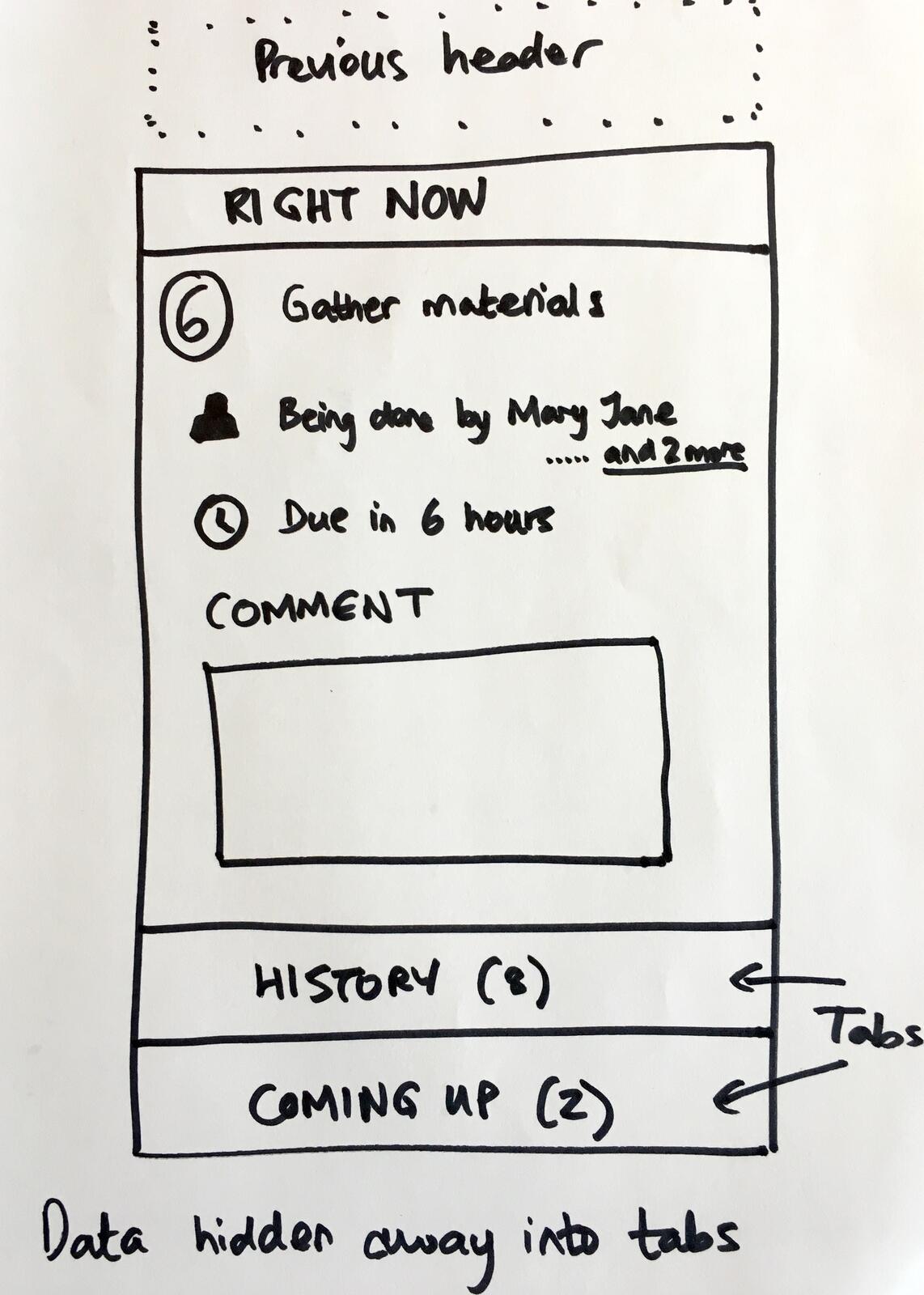
Tallyfy rejected BPMN notation in April 2017 after internal debates showed flowcharts fail on mobile devices. The if-this-then-that rule system replaced traditional process notation, and the unreleased Flowtable concept shaped how the product handles process data density.
Why the moment between clicking a button and seeing a result matters more than most teams realize. The Material Design team led by Matias Duarte at Google showed that feedback within 100ms is critical. Pre-click hover effects and post-click feedback shape whether software feels alive or dead.
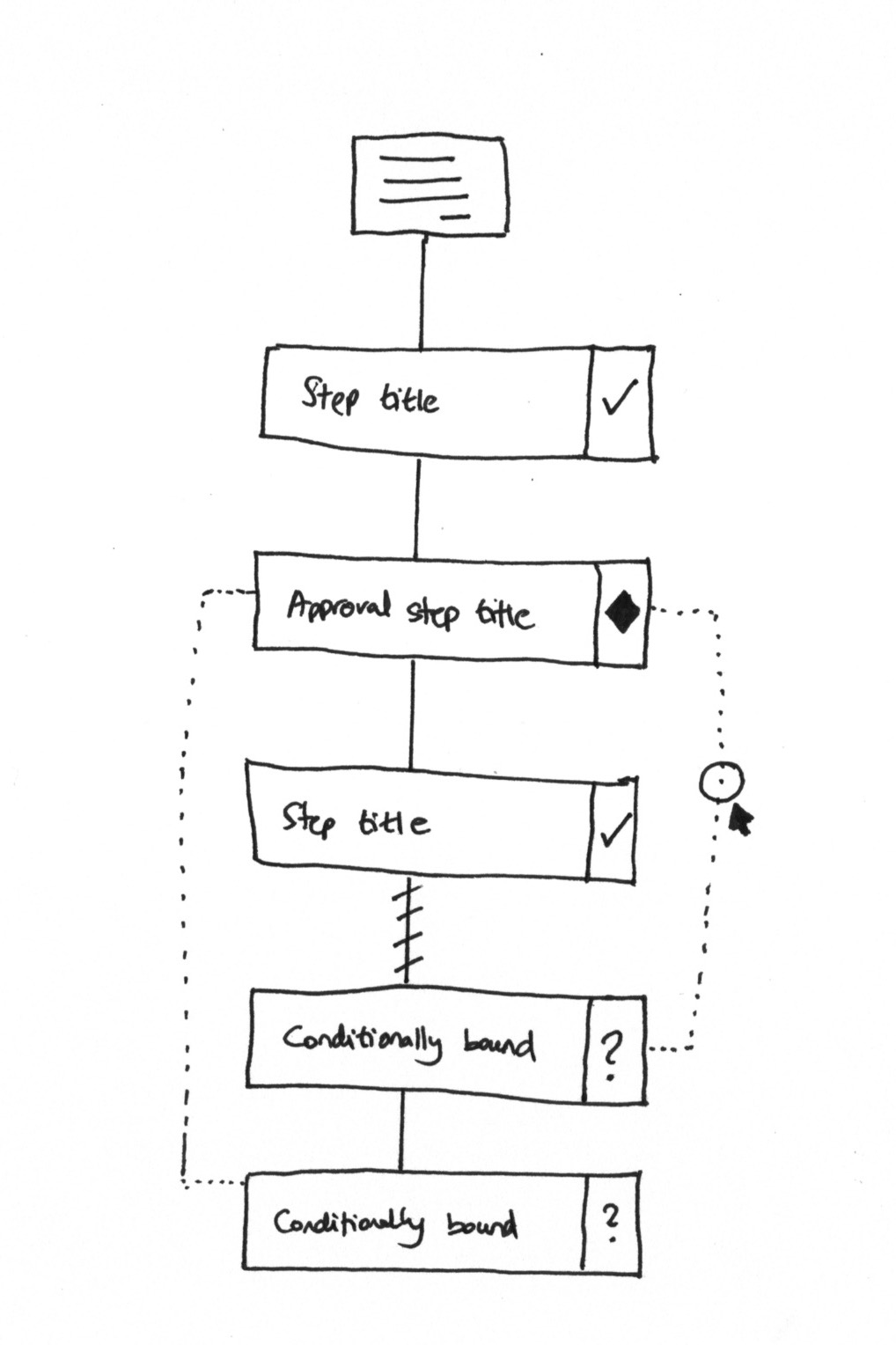
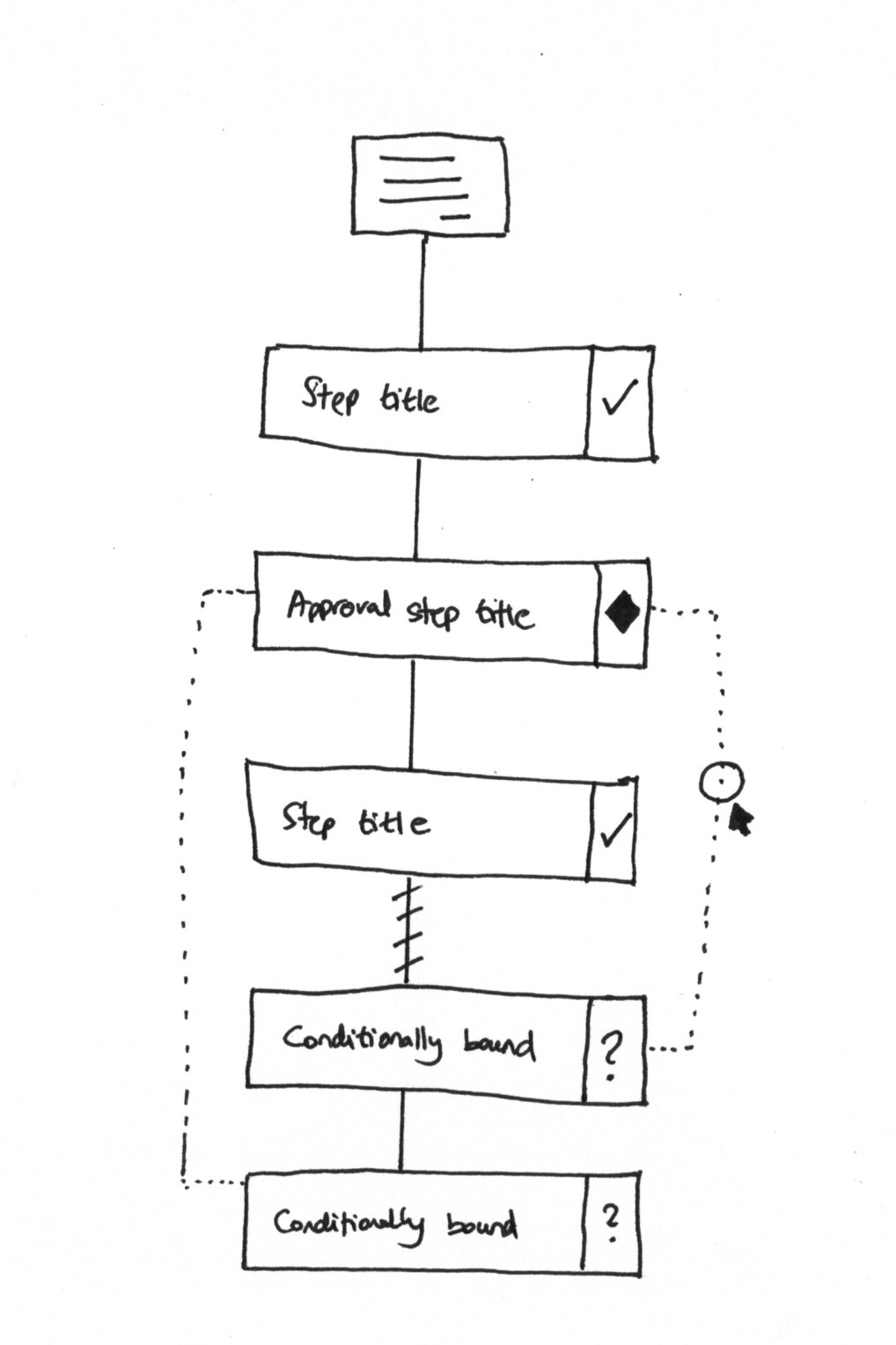
The internal design debates at Tallyfy on conditional visibility for workflow steps since 2016. Why step-level rules beat process-level rules, and how to visualize conditionals without becoming a flowchart tool.
In October 2017, Tallyfy designer Thomas sketched a three-option Create button on a whiteboard. Why a single prominent action beats scattered options, and how color and hierarchy drive user behavior.
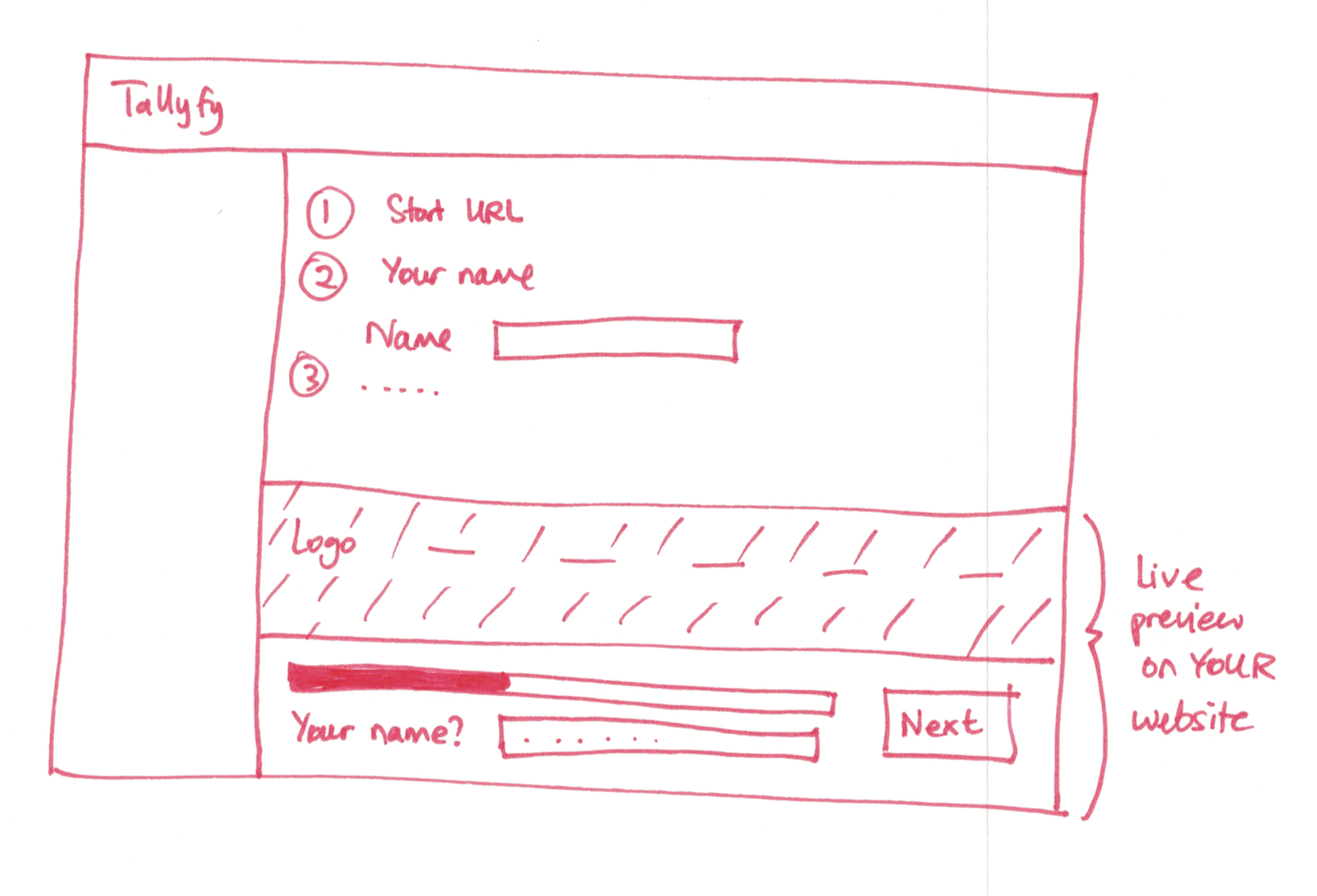
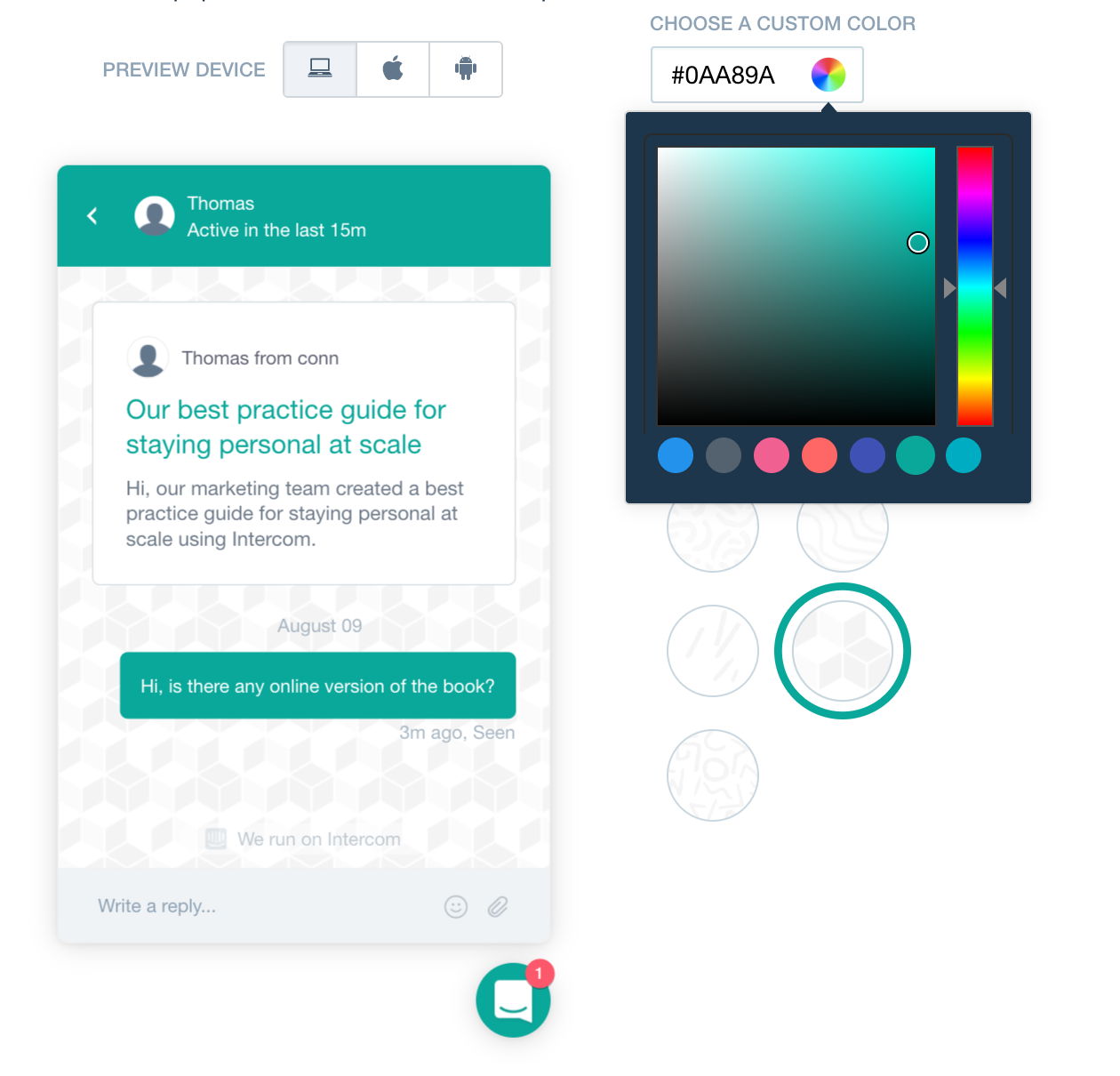
Tallyfy used TinyColor brightness detection to build CSS-driven branding that lets organizations customize logos and colors on guest-facing workflows without creating unreadable text or broken interfaces.
How Tallyfy built deadline rules that calculate task due dates from form field values. A customer on a 100% discount forced this feature, resulting in four distinct rule types and months of timezone debugging.
When you change a workflow template, what happens to the 47 processes already running? Most tools force you to choose: freeze your template or risk breaking active work. Tallyfy built a dual-version system where draft edits never touch the published version that running processes depend on.
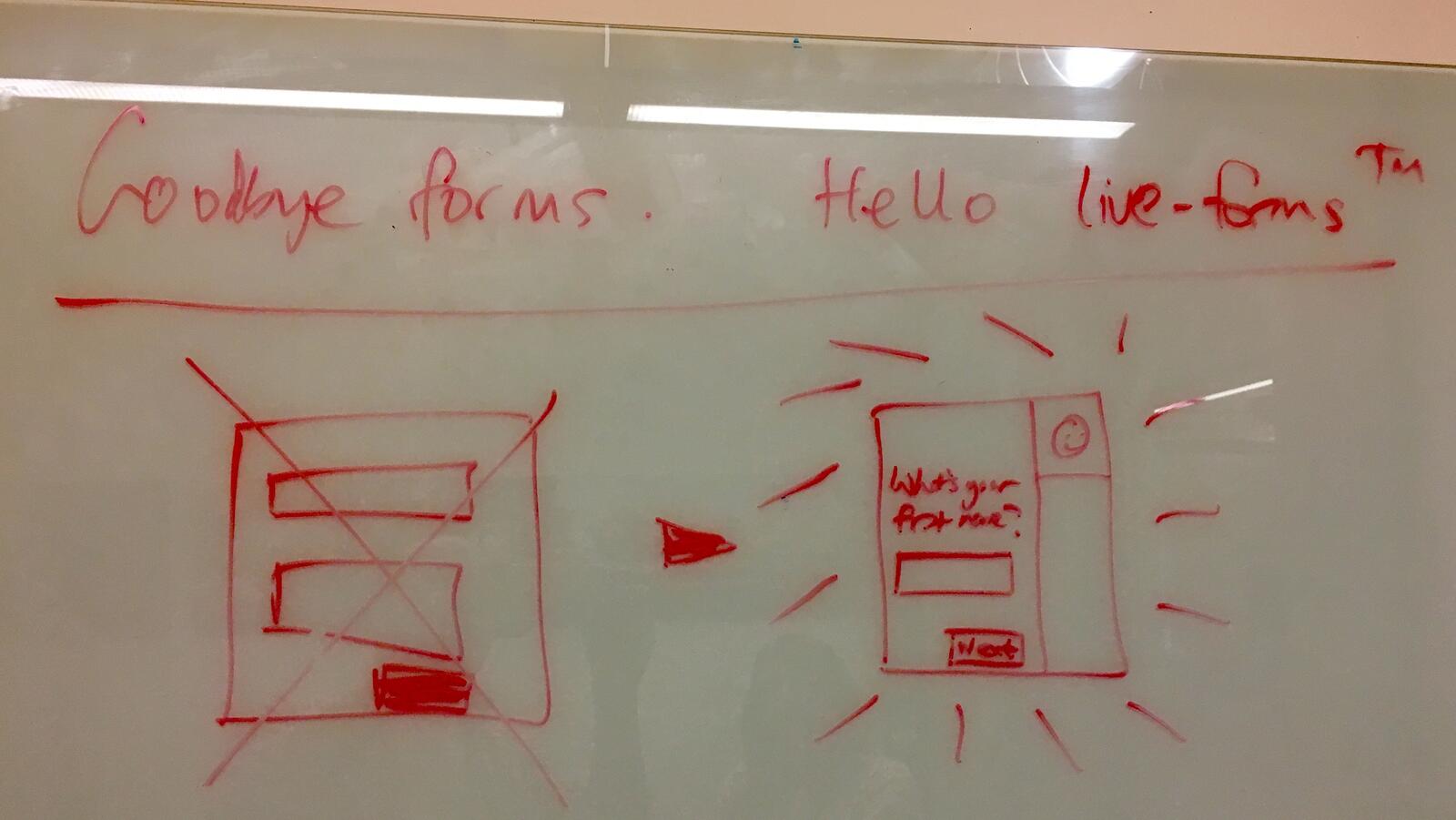
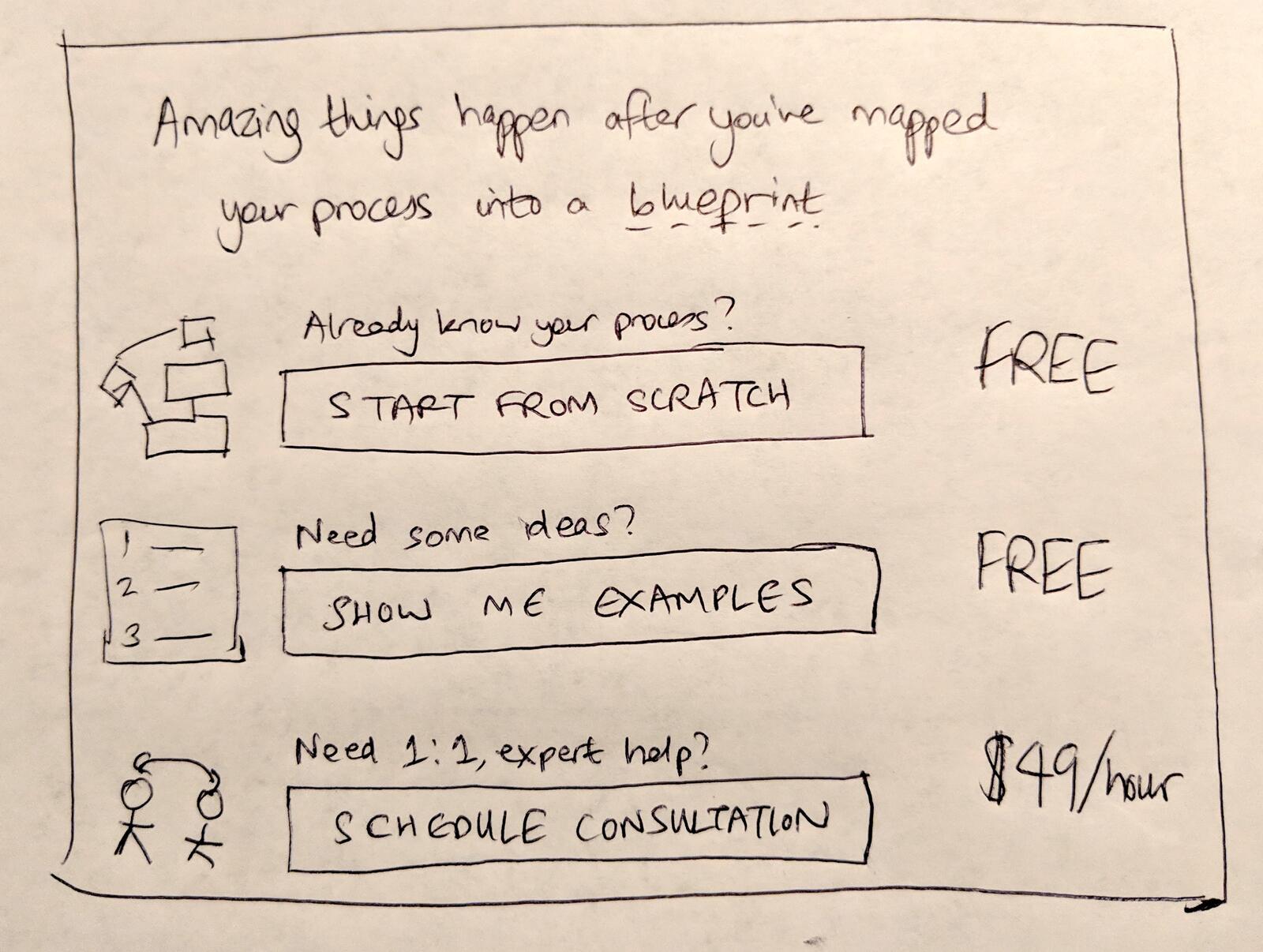
What users see when there is nothing to see reveals product philosophy. At Tallyfy, reducing 47 features to three initial choices taught us that empty states are the highest-stakes design moment in any workflow tool.
What happens to Tallyfy task assignments when someone leaves? Force reassignment transfers all active tasks to the admin who disabled the member. Completed tasks keep the original owner for audit trail purposes.
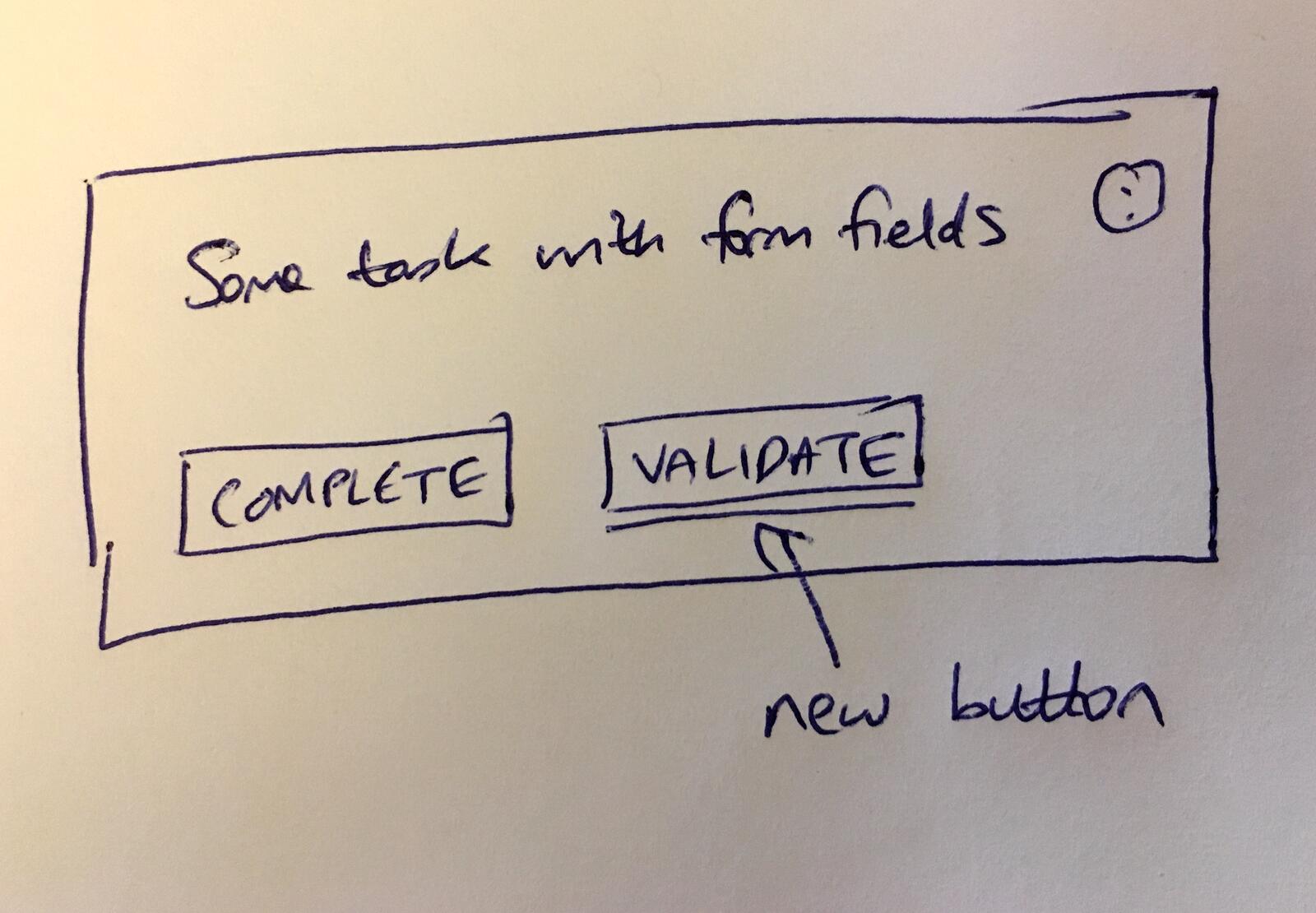
Building real-time validation at Tallyfy that tells users what is wrong before they hit save. The internal debates on extensibility, custom rules, and why an infinite set of validations forced us to think differently.
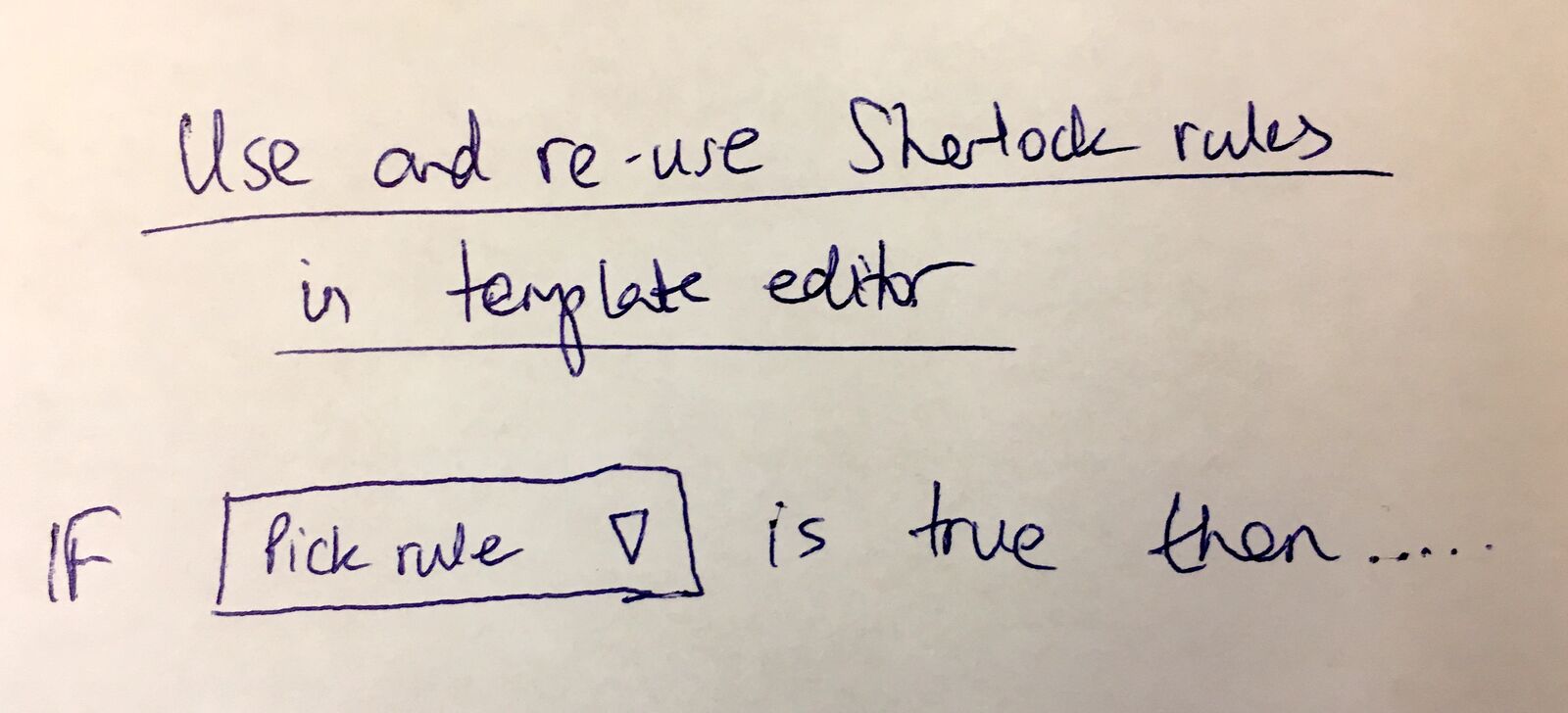
After seven years of iteration starting in 2016, we discovered that mixing workflow rule types in Sherlock creates unpredictable conflicts. The solution was four independent types: visibility, assignment, deadline, and status rules that execute in parallel.
The surprisingly tricky problem of email identity for external workflow participants. At Tallyfy, when someone clicks Forgot Guest Link, the system must resolve 4 possible identity states to determine if they are a guest, a member, or both across different organizations.
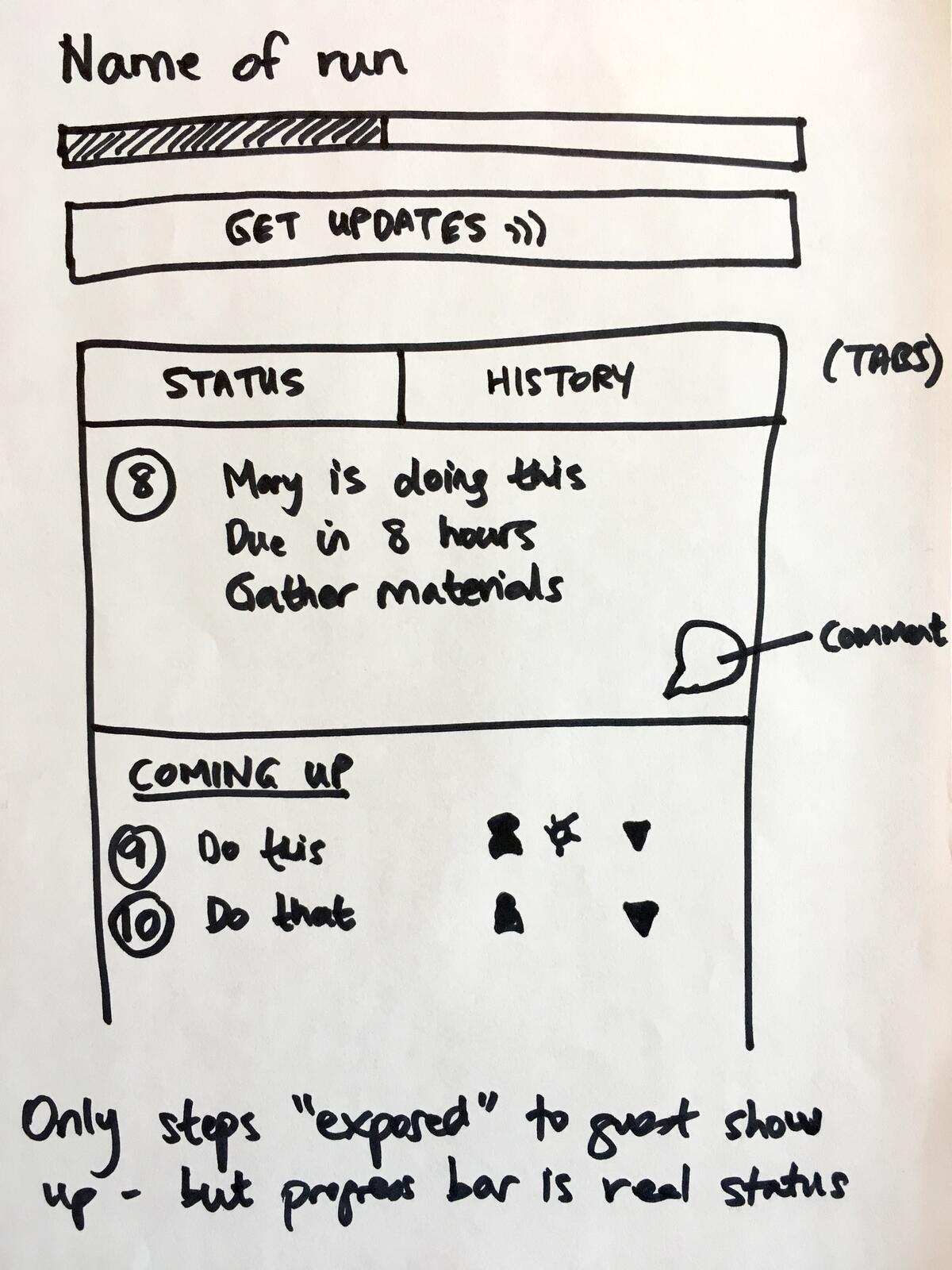
The permission model for letting external participants follow workflow updates without exposing your entire organization. When guests watch a process in Tallyfy, they only see updates for tasks they are assigned to - never the hidden steps.
The design philosophy behind letting external people participate in your workflows without accounts or passwords. Pravina and the engineering team at Tallyfy share real debates, sketches, and security lessons from building guest access since October 2016.
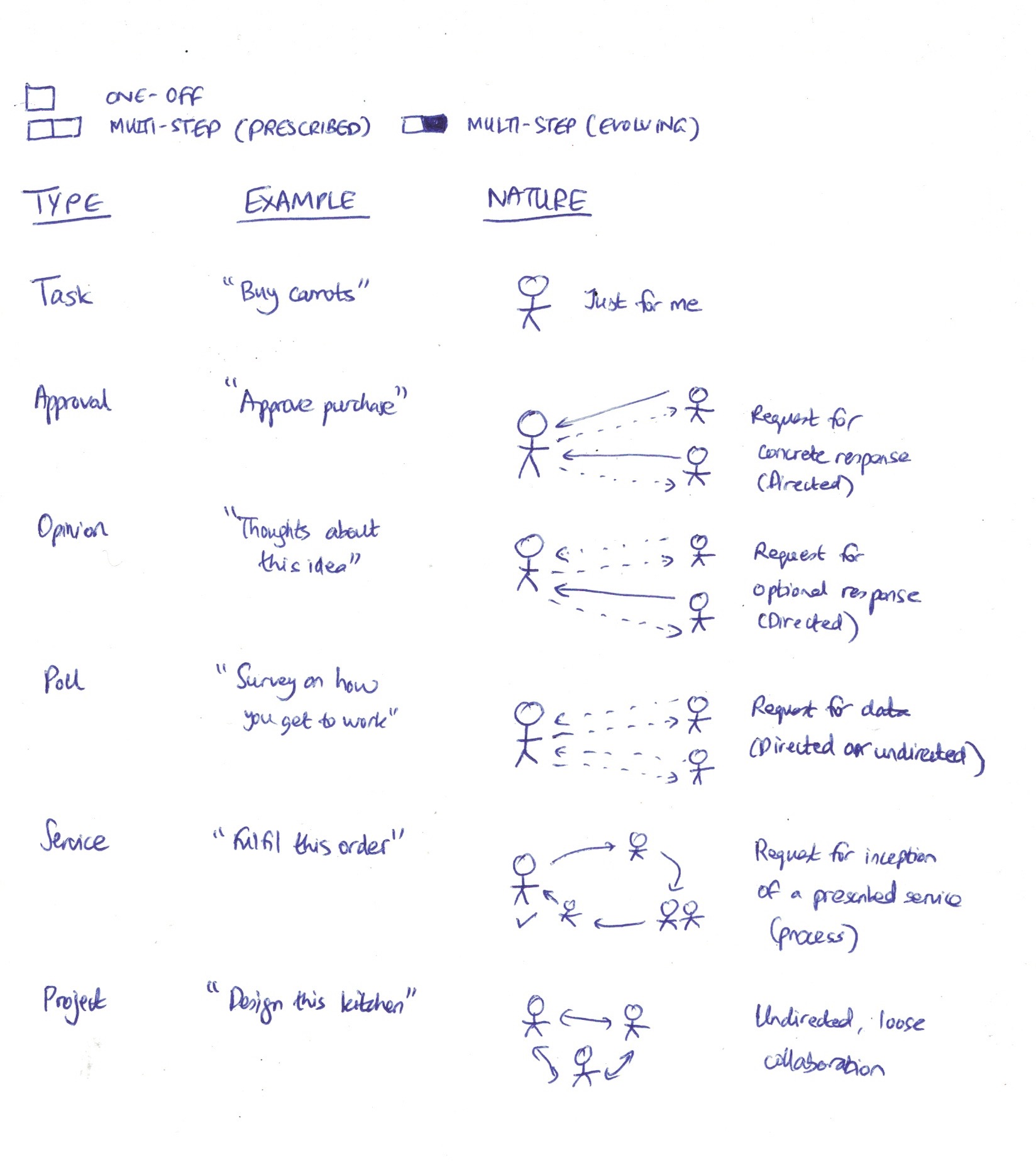
Kanban boards look beautiful in demos. Three columns, cards moving left to right, visual satisfaction. But when you have 10+ task states, multiple processes running simultaneously, and people need to edit data inline, the card metaphor falls apart. At Tallyfy, we learned this the hard way.
How Tallyfy designed magic link authentication for single-click process initiation from email. No login wall. The 6-step token validation chain behind public kickoff forms shows why anonymous form submissions required rethinking security assumptions.
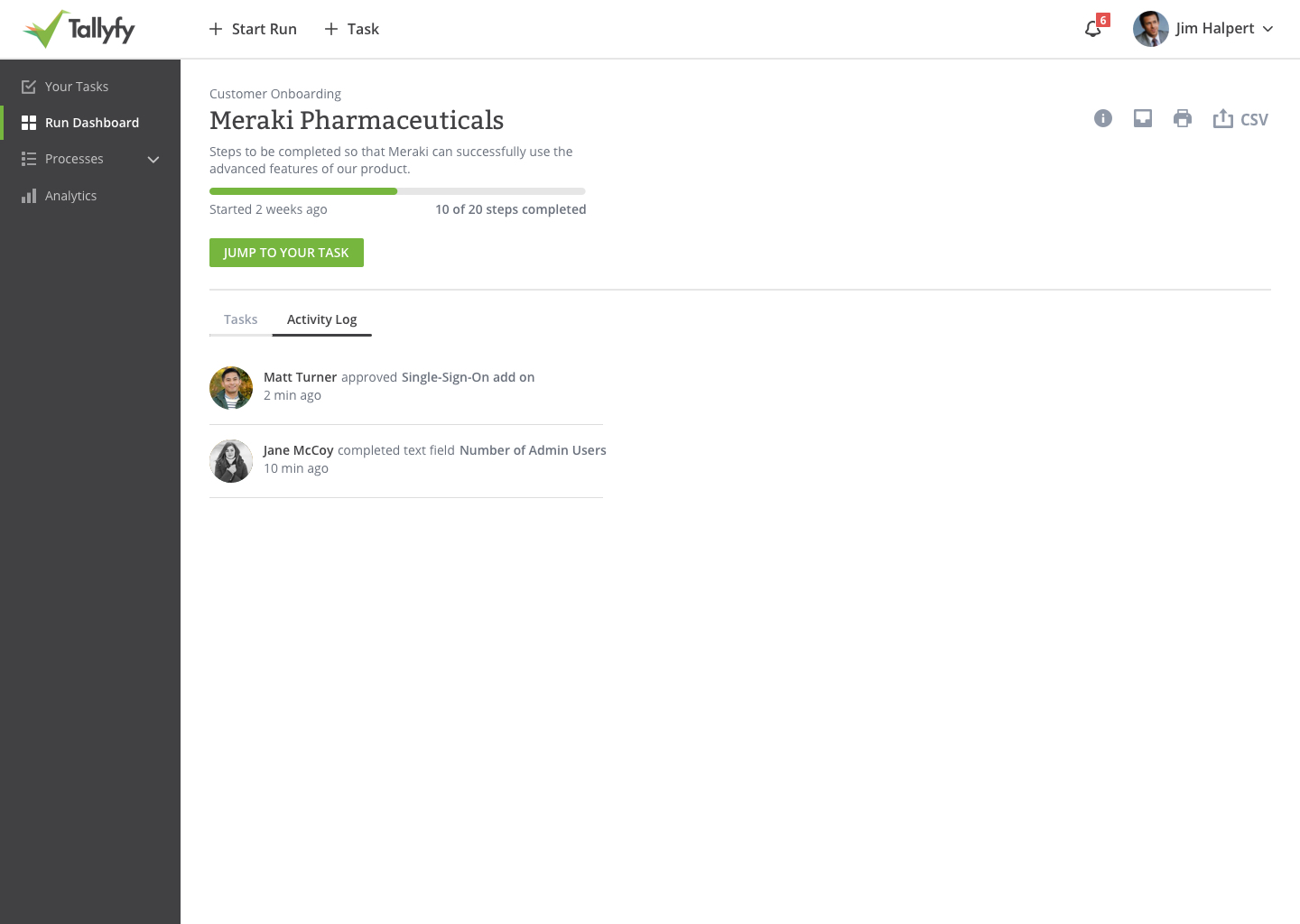
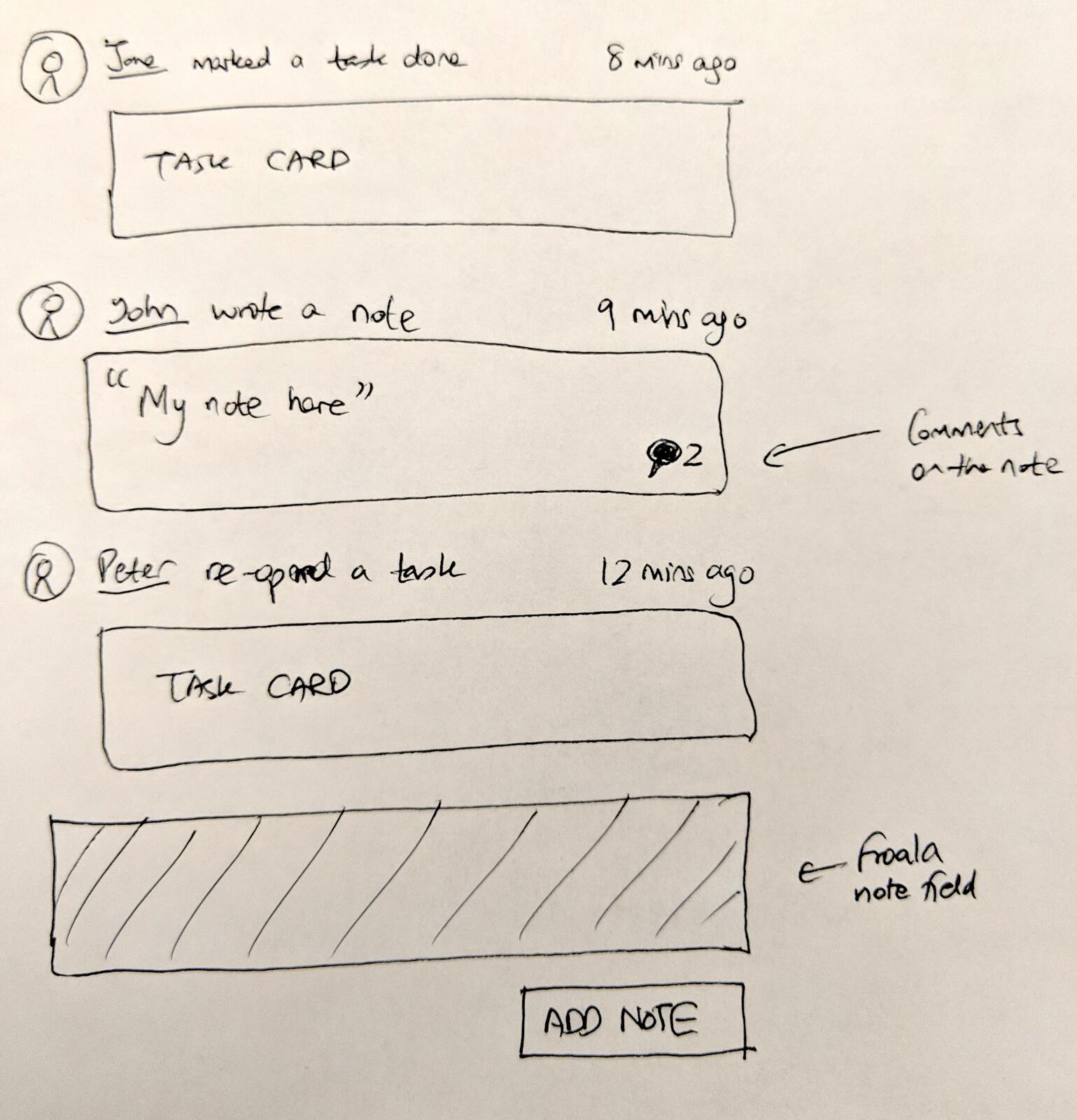
Not every change deserves an immediate email. At Tallyfy, we designed three notification frequencies: Electric, Mindful, and Chilled to give watchers control over their own inbox load. The tension between real-time updates and respectful batching shaped everything about how we aggregate and deliver watching notifications.
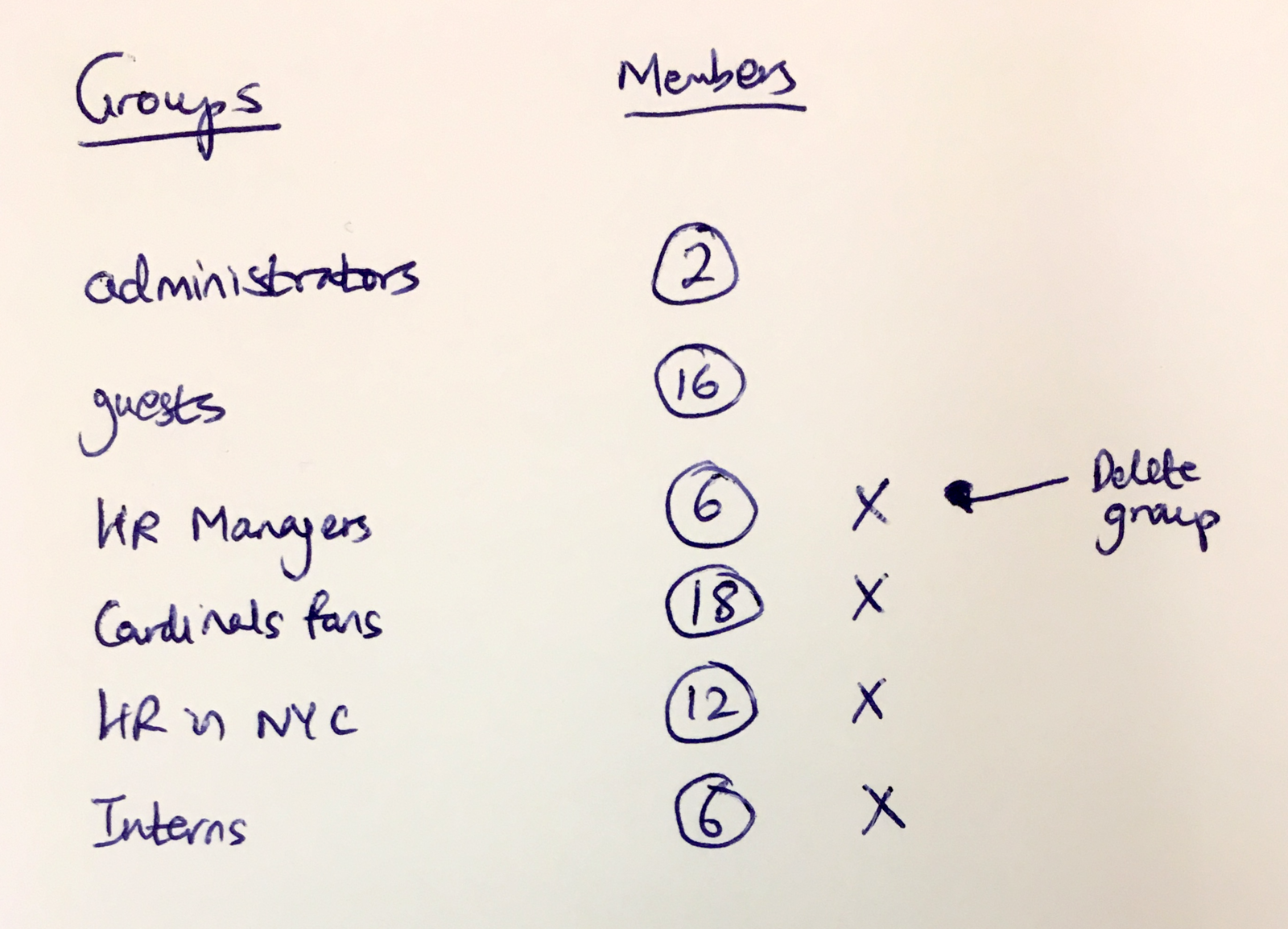
Why Tallyfy designed workflow assignment around predefined groups instead of individuals. Making all users belong to all groups by default forces role-based thinking and eliminates template updates when employees change roles.
At Tallyfy, the 2017 debate over process-level managers versus step-level owners shaped every assignment feature built since, from bulk permissions to group-based ownership.