Engineering

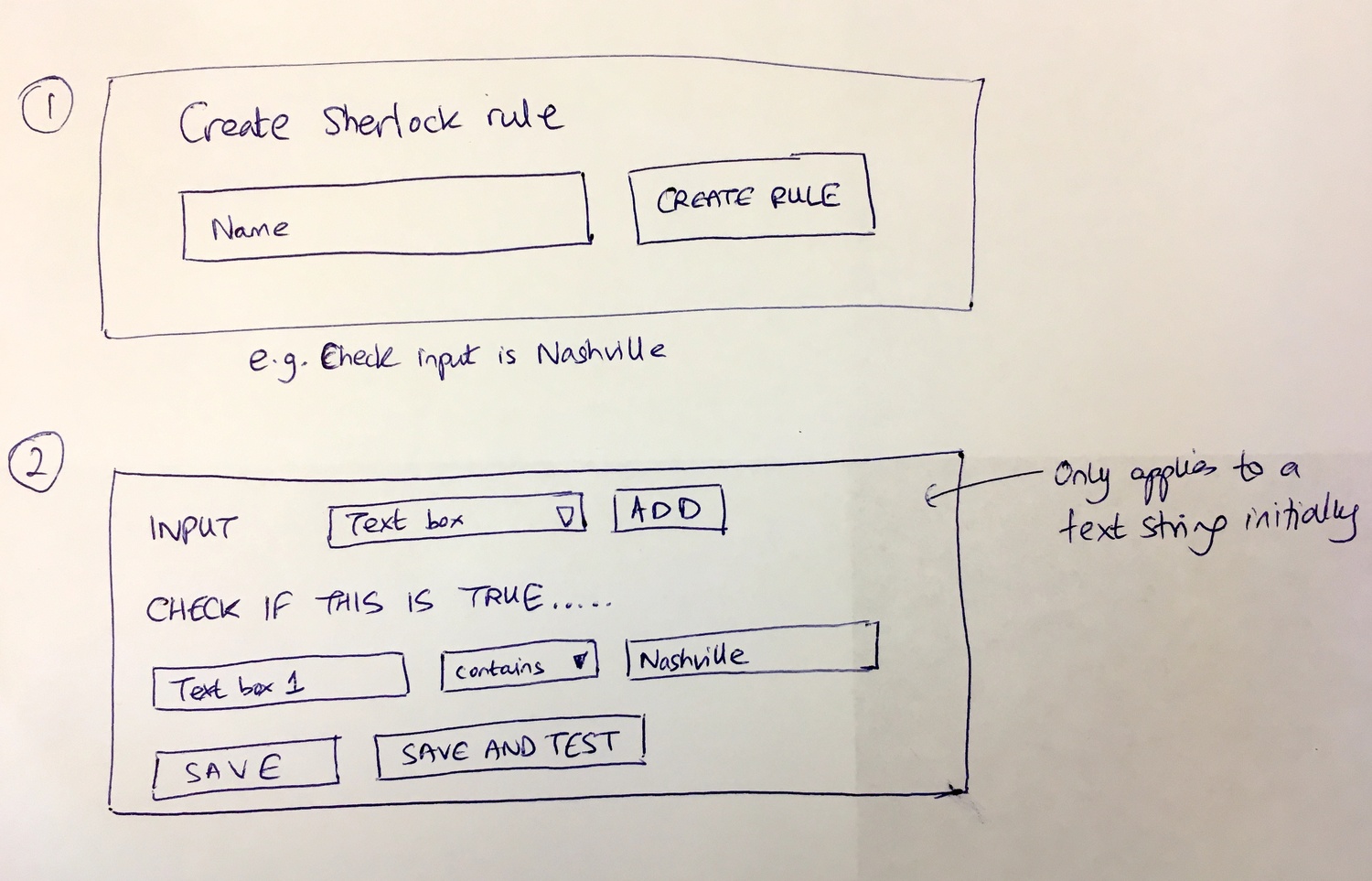
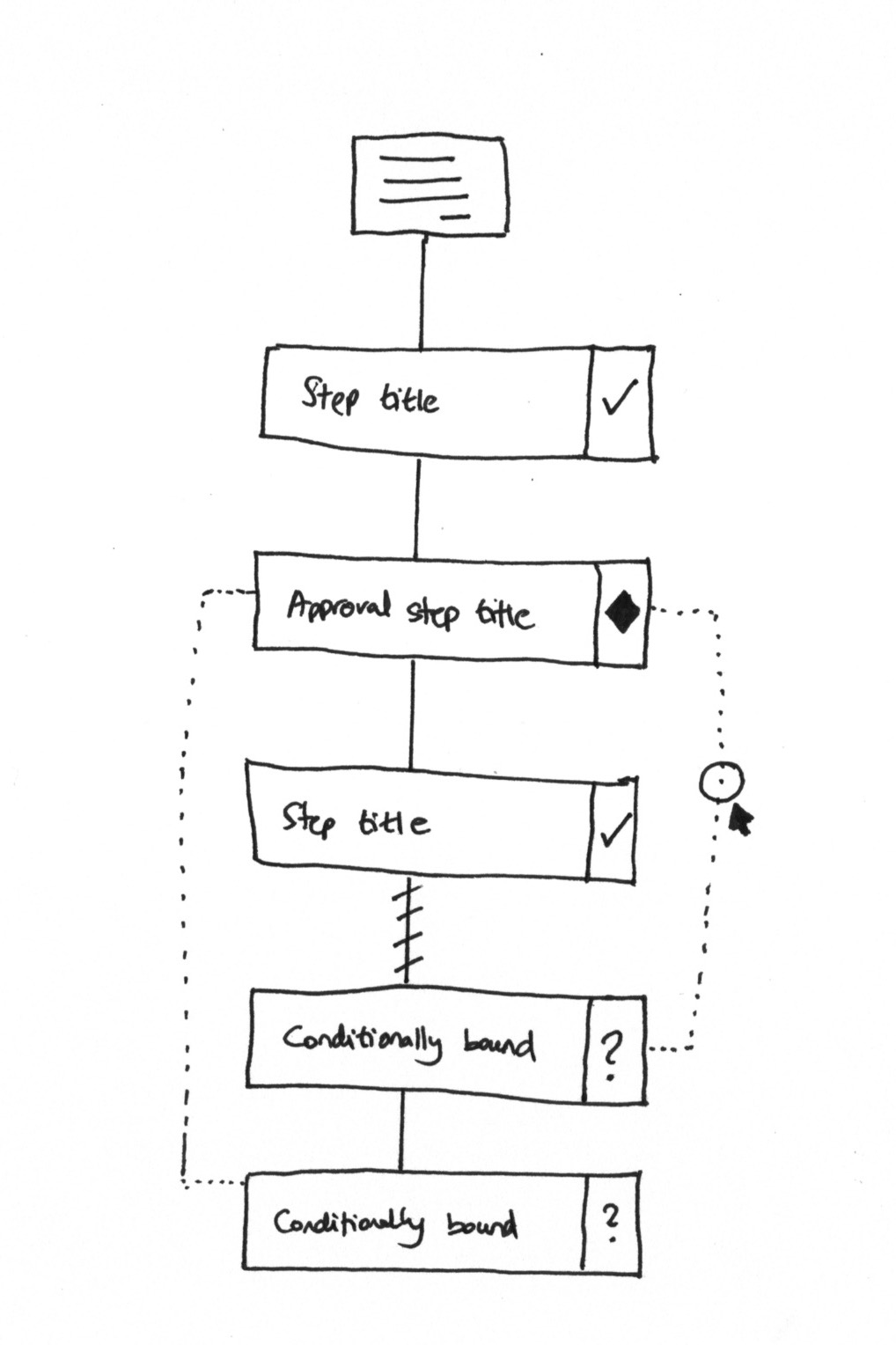
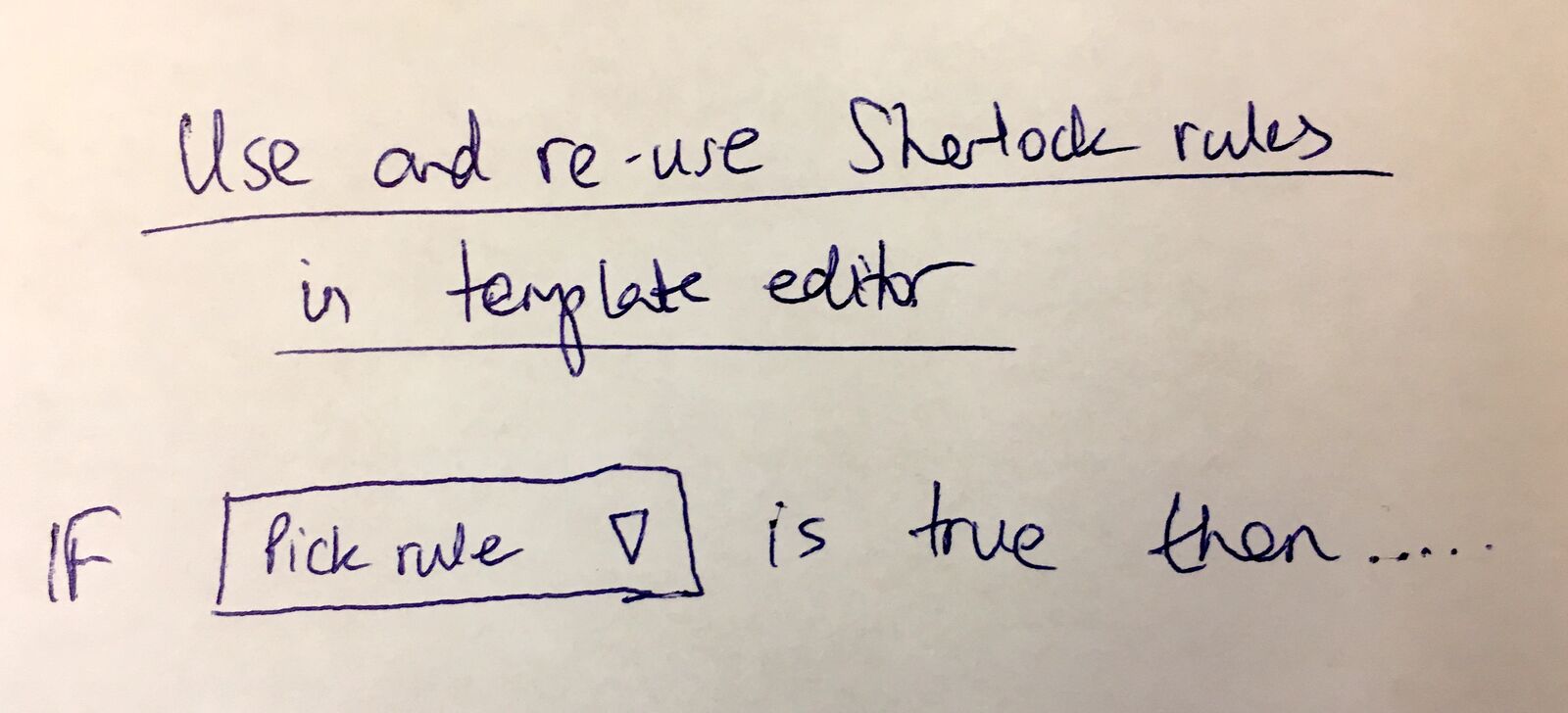
Engineering at Tallyfy means the people side of building a workflow product, not "Engineering" as a topic for a general-business audience. The posts here are written by the Tallyfy engineering team for other engineers and product folk: design decisions we've made and the trade-offs we accepted, infrastructure choices that worked or didn't, and operating habits that scale a small team without hiring our way out of every problem. Expect concrete posts on form validation, watch permissions, BPMN versus simpler conditional rules, magic links, the rules engine we built and called Sherlock, and the swimlane problem we keep running into when customers try to model their own processes. If you're building a workflow product or evaluating one, the engineering posts give you the unvarnished view from inside.

All articles in Engineering

Frequently asked questions

What is CI/CD?
CI/CD stands for continuous integration and continuous delivery (or deployment). CI is the practice of merging developer changes into a shared codebase frequently and verifying each merge with automated tests. CD extends that into automatic deployment to staging or production. The point is to ship small changes safely and often.
What is a CI/CD pipeline?
A CI/CD pipeline is the automated workflow that takes a code change from "developer pushes to a branch" to "running in production." Typical stages: build, test, security scan, deploy to staging, run integration tests, deploy to production. Tools like GitHub Actions, GitLab CI, and CircleCI handle the orchestration.
What is deployment automation?
Deployment automation is the practice of pushing code or infrastructure changes to environments via scripts and tools rather than manual steps. The benefits are speed, repeatability, and an audit trail of what shipped when. The risks are that automated mistakes ship as fast as automated successes, so production deployments need guardrails.
What is infrastructure as code?
Infrastructure as code (IaC) is the practice of defining servers, networks, databases, and other infrastructure in version-controlled configuration files rather than provisioning them by clicking in a cloud console. Tools like Terraform, Pulumi, and CloudFormation execute the configuration to create or update resources. The win is reproducibility.
What are the benefits of CI/CD?
Faster feedback (you find out a change is broken in minutes, not weeks), smaller failures (small batches mean small rollbacks), better release cadence (you ship daily instead of quarterly), and a stronger audit trail (every change is tracked end-to-end). The cost is upfront investment in pipelines and tests; most engineering teams find that pays back within a quarter or two.