How the 5W2H method turns vague plans into real action
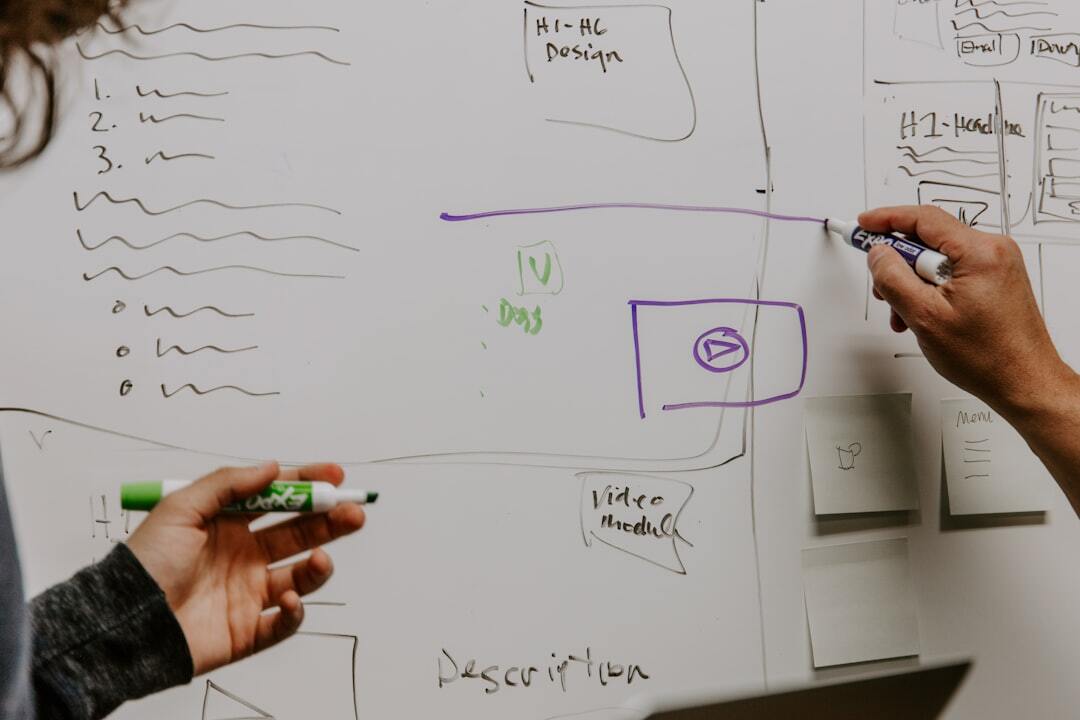
The 5W2H method from Kaoru Ishikawa and Toyota quality circles forces clarity with seven questions before work begins. One owner per task, real deadlines, and meeting minutes people act on.
Roughly 90 percent of business process standardization projects fail because teams treat documentation as the deliverable instead of enforcement. The APQC framework identifies 13 operation categories, but without tracked workflows that guide people step by step, standards rarely stick.
Business process optimization is the final BPM stage for removing waste and friction from workflows. Three approaches drive real efficiency with financial services (17%) and healthcare (11%) leading adoption.
Value stream mapping, a lean technique rooted in Taiichi Ohno's work at Toyota, visualizes every step from raw materials to delivery and exposes the seven wastes that drain profit from your processes.
A project proposal will make or break your attempt to win new business. This guide covers scope, budget, timelines, and methodology including PERT charts to help proposals stand out from the pile.
Process improvement tools like PDCA and the 5 Whys help you find what is broken, map what exists, and fix what matters. 70% of improvement projects fail not from wrong tools but from poor follow-through.
Continuous process improvement, rooted in Dr. Edwards Deming and the PDCA cycle, means making workflows better through small changes and breakthrough shifts. With 80% of AI projects failing without proper processes, CPI is urgent.
A workflow is a specific sequence of tasks to finish one thing. A process is the bigger picture those workflows live inside. Mixing them up wastes real time, and McKinsey found workers spend a substantial share of the workweek on email alone.
Over half of business users check email six or more times daily, with professionals spending nearly an hour managing email overload. Tools like Unroll.me bulk promotional emails into one message, while Sanebox splits emails into important versus promotional categories. France banned after-hour emails country-wide, while Atos CEO Thierry Breton eliminated internal email using social networks instead.
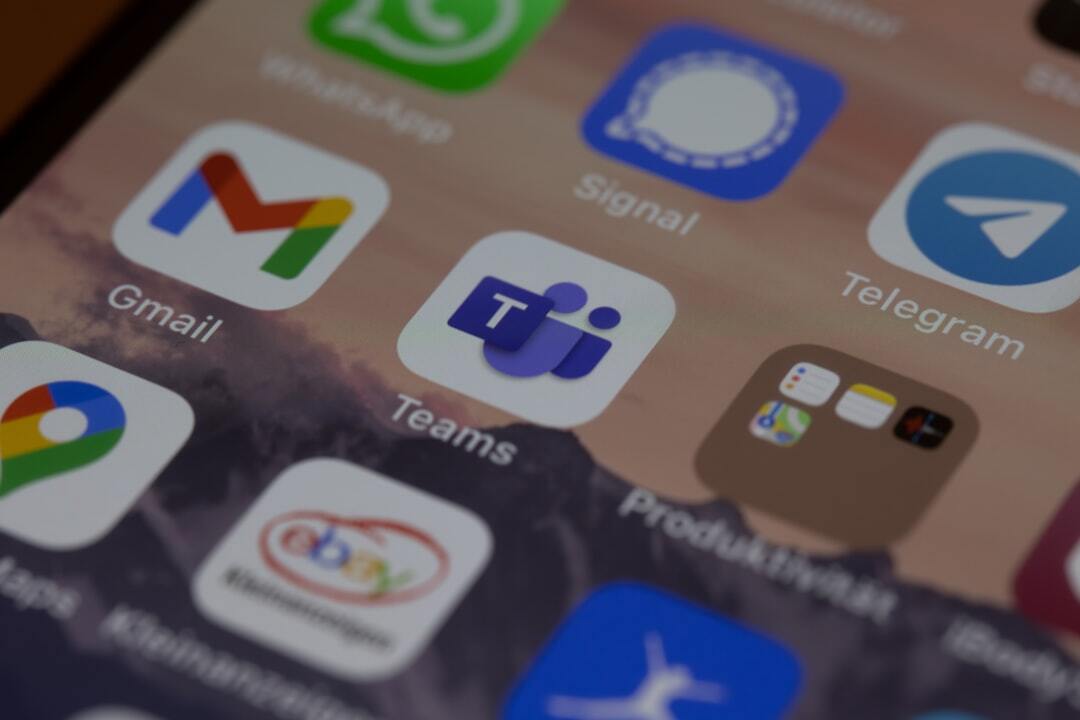
With more than 20 Gmail Addons including Streak, Grammarly and Boomerang, you can super-charge your E-mail with E-mail tracking, inbox management, task management and CRM tools.
Proactive management, a concept Stephen Covey championed, means planning six months ahead, not 11 months into a one-year runway. Reactive managers get trapped in a self-perpetuating feedback loop where one problem forces reactive decisions, creating more problems due to lack of planning, leading to constant firefighting with lower work quality.
Process improvement means fixing effectiveness before efficiency. Bain and Company research shows that teams focusing on value before speed are twice as likely to lead their industry. Methods like Six Sigma DMAIC and LEAN manufacturing provide structured approaches, while cross-training and time audits build the operational foundation that makes improvement stick.
Struggling with being stressed at work? Tony Schwartz of the Energy Project shows that 90-minute focus sessions followed by brief recovery periods clear stress buildup and restore productivity.
Design thinking is a six-phase method that companies like Apple and IDEO use to solve real user problems through empathy, prototyping and testing rather than guesswork.
The fishbone diagram, pioneered by Kaoru Ishikawa, traces problems to their root causes using a visual cause-and-effect skeleton. Learn the six categories, frameworks, and how to build one.
A process improvement plan maps out how to fix broken workflows. The OpEx Society cites research showing roughly 70% of improvement initiatives fail because of people, not methods. Learn a practical ten-step approach and what makes improvements actually stick.
McKinsey estimates 20 to 30% of operating expenses are wasted on inefficiency. Workflow analysis finds those hidden bottlenecks and time wasters, as Hootsuite CEO Ryan Holmes noted: workflow impacts the core of any project.
Process consistency separates businesses that scale from those that stall. McDonald's 43,000 locations prove that repeatable workflows, not talent, produce predictable results.
Satya Chakravorty compared process improvement programs to weight-loss plans in the Wall Street Journal. Both start strong but lose momentum as participants fall back into old habits. Common mistakes include relying on workshops, making decisions by consensus, averaging data incorrectly, and implementing changes without proper ownership.
Harvard Business Review research found workers toggle between productivity apps 1200 times per day, losing four hours weekly. Fewer tools that talk to each other beat a sprawling app collection.
Motorola created Six Sigma in 1986 to hit 3.4 defects per million. Most firms run at 3 Sigma with 66,807 defects per million. One shift saves 20% in margins.
W. Edwards Deming's framework for continuous process improvement has driven enterprise evolution for over three decades. KaiNexus research shows only 1 in 3 improvements delivers financial impact, with just 13% saving money and 23% saving time.
Process improvement initiatives demand a culture shift, not a one-time program. Tallyfy data shows organizations that commit to frontline feedback and measurable goals can reduce pre-onboarding time by over 70 percent.